
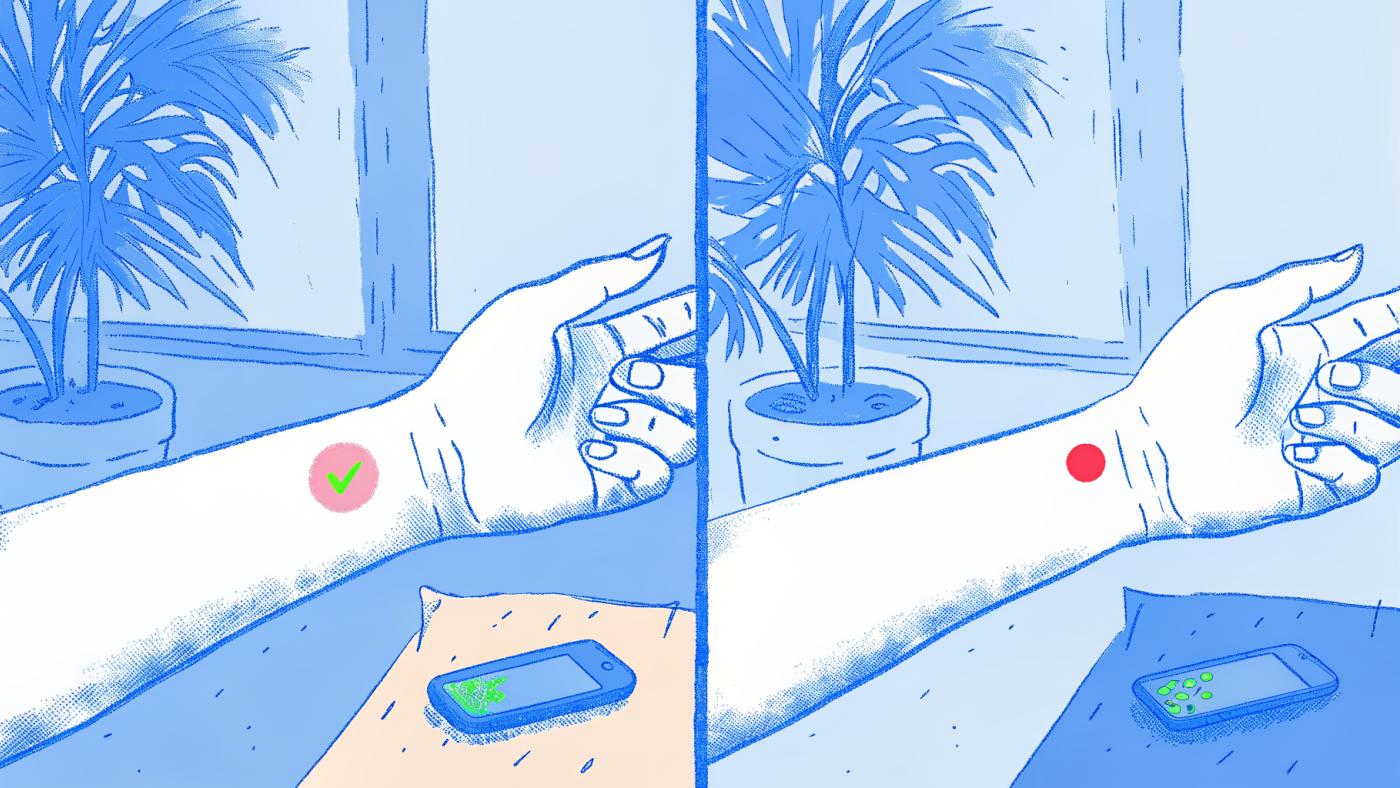
That red mark after your Zepbound® shot is usually not a cause for alarm. Here is what can cause it, what it looks like on every skin tone, and when to call your prescriber.
Common Symptoms of Zepbound® Injection Site Reactions
Redness at the injection site after a Zepbound® shot is easy to misread. The skin looks irritated, maybe a little raised, and the instinct is to wonder whether something has gone wrong. The reaction you are seeing has a name and a documented frequency, and there is a pattern you can learn to watch. Keeping a simple log of your shots and any skin changes can help you see that pattern sooner and share it with your prescriber.
In the Zepbound® clinical trials, injection site reactions were one of the more common side effects, and Lilly reports that none of the injection site reactions in the SURMOUNT studies were severe or serious. Knowing what these reactions look like, and what to note down, puts you back in control.
Redness, Swelling, and Warmth at the Injection Site
Redness is one of the local reactions people may notice at an injection site. It may look like a pink-to-red area centered on the needle entry point. Swelling can come with the redness, producing a slightly puffy, raised area that may feel warmer than the surrounding skin when touched.
Both are worth noting. Writing down when warmth or swelling first appears and when it fades gives you a clear record to share with your healthcare provider.
Itching and Small Raised Bumps (Papules) Around the Needle Entry Point
Itching is a distinct symptom from the general irritation of redness. Itching can range from a mild surface itch to a more persistent sensation around the entry point, and how it feels varies from person to person. Small raised bumps may also appear around the site, so note them in your log for your prescriber.
Local skin reactions at injection sites are commonly described in the prescribing information for GLP-1 medications, and the mechanism behind itch and bumps can vary. It helps to note when the itch and bumps appear and share those notes with your prescriber, who can explain what you are seeing and whether it is only local.
Bruising and Tenderness That Lingers After Injection
A bruise at the injection site can happen when a needle nicks a small blood vessel near the skin surface, and your healthcare provider can tell you more about what to expect. How a bruise looks and how long it lasts varies from person to person, so note its colour and timing in your log.
Tenderness often outlasts the visible bruise. The area may feel sore for a while, so note how long it lasts and tell your prescriber. Lingering soreness may be a sign to give that site more time before you use it again.
When Symptoms Tend to Show Up After an Injection
Local reactions often show up soon after an injection, though timing varies from person to person. Redness and warmth are often the first things people notice, and the timing can differ from one shot to the next. Swelling, itching, and papules may follow, and logging when they appear and fade gives your prescriber a clearer picture.
Bruising can follow its own timeline and may become visible later than other reactions, so note when it appears in your log. Local reactions vary from person to person. Symptoms that are still getting worse after a day or two are worth a call to your prescriber.
Skin Discoloration That Appears Purple or Brown on Darker Skin Tones
On lighter skin, injection site redness reads as pink or red. On medium to darker skin tones, injection site discoloration may look different from the red or pink described on lighter skin, such as purple, brown, or ashen. This is not a more severe reaction. If you are unsure what a mark means, show your prescriber.
Darker skin tones may not show the red-circle description people read about, so a mark can be easy to overlook as an injection site reaction. Writing a short note about the mark and taking a photo on your phone can help you see how it changes over time and show your prescriber.
Subcutaneous Fluid Pooling That Creates a Raised 3D Lump
A raised, three-dimensional lump at the injection site is one of the more alarming-looking reactions. One possible cause is the injected fluid pooling in a small pocket under the skin, which creates a visible, dome-shaped bump, though a lump can have other causes too. Your prescriber or the medication's instructions for use can explain proper injection technique.
This kind of bump can show up right after an injection and may feel soft when pressed. If a lump does not go away or concerns you, contact your prescriber, who can tell you what it is.
Reaction Incidence, Clinical Trials Versus Placebo
According to the Zepbound® prescribing information, which pools results from two weight-loss trials including SURMOUNT-1, injection site reactions were reported in 6% to 8% of people taking Zepbound®, depending on the dose, compared with 2% of people taking placebo. That means more than 9 in 10 people in those trials did not report an injection site reaction.
The gap between the tirzepatide and placebo rates confirms that the drug does contribute to local reactions beyond what a needle alone would cause. But the absolute rate remains low. The label also notes that injection site reactions were more common in people who developed antibodies to tirzepatide, and your prescriber can explain what that means for you. That is a useful baseline before drawing conclusions from a red mark on your skin.
Key takeaways
- Injection site reactions are listed in the Zepbound® prescribing information, and redness, mild swelling, and itching are common examples; ask your healthcare provider what to expect and when to call.
- Repeatedly using the same injection spot is something you can track and change, so it helps to keep a record of your sites and review recurring reactions with your healthcare provider.
- Lipohypertrophy, thickened, rubbery tissue, can form when one small patch of skin is used for injections repeatedly, so ask your healthcare provider about site rotation.
- Remembering a task that only comes up once a week is easy to get wrong, which is why a seven-day injection interval can be hard to manage on sticky notes and guesswork.
- If you have a reaction at an injection site, ask your healthcare provider how to care for it; tracking when it happened and how severe it was gives you something concrete to share.
- Knowing the rotation rule and actually executing it are two separate skills, and remembering your last few injection sites from memory alone can be hard.
- Pep AI can help close that gap. Log a skin reaction in the side effect log by picking it from the built-in list, which is grouped by body area, or adding your own, rate severity each day, and tap the site on the body map when you log your shot so rotation stops being a memory problem.
Why Injection Site Reactions Happen After Your Zepbound® Shot
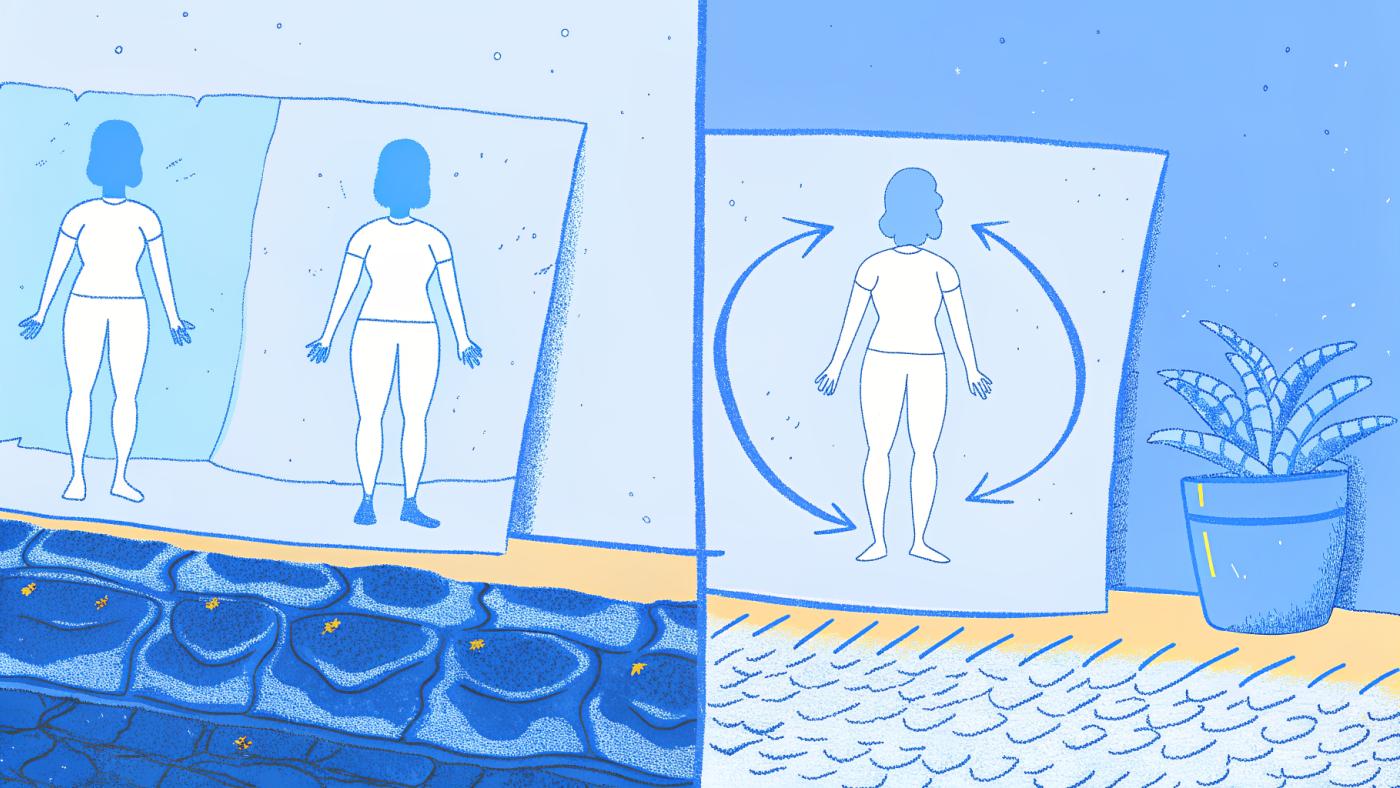
Every needle puncture leaves a small wound in the skin, and each injection deposits fluid under it.
The Two-Part Trigger - Needle Trauma Plus a Large-Molecule Drug Bolus
First, the needle creates a small puncture through skin and into subcutaneous fat. Second, the drug itself arrives as a bolus, a concentrated volume of fluid that the surrounding tissue must absorb over time.
Tirzepatide is a dual GIP and GLP-1 receptor agonist given by subcutaneous injection, as described in its prescribing information. In the SURMOUNT-1 clinical trial, injection-site reactions were among the reported adverse events, and the Zepbound® label lists them, so ask your prescriber about any reaction.
Why Cumulative Micro-Trauma Is the Real Reaction Driver
A single injection site can recover, but using the same spot again before it has healed can add up.
The fat layer at a recently used site may still be tender, so log it and ask your healthcare provider about any irritation.
Real-world reports suggest actual patient experiences on tirzepatide diverge from controlled trial conditions in some ways, and steady site rotation is one habit that can slip outside a clinical setting.
The Three Approved Sites and Why Spreading the Load Across All of Them Matters
According to the Zepbound® FDA label and pen instructions, you or another person can inject into the stomach (abdomen) or thigh, and another person should give the injection in the back of the upper arm. The instructions also say to change (rotate) your injection site each week.
Key takeaway: Your prescriber or the Zepbound® FDA label can tell you how to choose and vary injection sites; keeping a record of each site you use makes that rotation easier to follow.
That is where Pep AI's body map earns its place, helping keep your rotation organized when memory fails between shot days. When you log your shot, tap the site on the body map. The app marks your last site, lists your recent sites, and warns you if you pick the same spot as last time. That injection-site logging means the record is in your phone, not reconstructed from memory a week later. Pep AI is free to try: a free download and a 3-day free trial on iPhone or Android, then a subscription.
How to Prevent Injection Site Reactions With Rotation and Technique
Lipohypertrophy, the thickened, rubbery tissue that can form when the same small patch of skin is injected repeatedly, is a recognized issue for people who inject subcutaneous medication. A 2020 study in people who inject insulin cites an earlier meta-analysis that put the average lipohypertrophy rate at 38% among insulin users, though figures vary widely across studies and most of this research is in insulin, not weekly GLP-1 shots. Lipohypertrophy can be present without being obvious, so ask your healthcare provider to check your injection sites at appointments.
38%
average lipohypertrophy rate reported among people who inject insulin
The fix is not complicated. It is just more deliberate than most people expect.
1. Rotate Injection Sites Weekly Across All Approved Zones - Never Repeat the Same Spot Twice in a Row
To help reduce injection site reactions, rotate across the areas listed on your medication's label on a consistent weekly schedule, never returning to the same spot twice in a row. Ask your prescriber how to move between and within the abdomen, thigh, and back of the upper arm (which someone else should inject). Published research in people who inject insulin found that incorrect site rotation was strongly linked to lipohypertrophy, so spreading shots across the full approved surface matters as much as switching zones at all.
2. Ask Whether Letting the Zepbound® Pen Sit Out Could Ease Stinging
Some people find that a cold injection stings more. The Zepbound® pen instructions say it is not necessary to warm the pen to room temperature, and they allow the pen to be kept at room temperature for a limited time. If cold shots feel uncomfortable, ask your prescriber or pharmacist whether letting the pen sit out before your shot is fine for you, and follow the storage rules in the instructions for use.
3. Let the Alcohol Dry Before Injecting
Burning at the injection site is often related to technique, so mention it to your prescriber or healthcare provider if it keeps happening. If you clean the skin with alcohol, letting it dry before you inject may help, because wet alcohol can sting. Follow your pen's Instructions for Use for how to prepare the site.
4. Follow Your Pen's Instructions for Use on Needles and Technique
The Zepbound® single-dose pen has a built-in needle and is used once. If you use a KwikPen or vials, the instructions say to use a new needle or syringe as directed. A needle used more than once may not be as sharp as a new one, so follow your pen's Instructions for Use and ask your pharmacist if you have questions about needles or technique.
5. Build a Personal Injection Log to Track Site, Date, and Reaction - Turning Rotation Into a Repeatable System
Seven days is long enough to forget which quadrant caught last week's shot, and vague zone-switching can easily mean returning to the same small patch within a few weeks. That can add up to repeated micro-trauma, and in research on people who inject insulin, ultrasound often finds tissue thickening well before any visible lump appears. Users who log sites with a dedicated injection-site tracker get a dated, visual record of every location used, so rotation becomes a documented, repeatable system rather than a weekly guess. The honest trade-off: the log only works if you open it consistently on shot day, not just when a reaction appears. On iPhone only, one-tap dose logging from the Lock Screen Live Activity, the large Next Dose widget (iOS 17 and later) or the Apple Watch app can make that step easier.
How to Treat Mild Injection Site Reactions at Home
Good technique addresses one layer of discomfort, but even when technique is sound, the injection site may still respond with redness, itching, or a small raised bump. These reactions can be mild, but your healthcare provider is the one to ask how long a reaction should last and when it needs attention. Ask before you combine options.
1. Ask About a Cold Compress for Swelling and Itch
Ask your prescriber or healthcare provider what to do about redness or swelling at the injection site, and log when it appears so you can share it with them. Cold causes vasoconstriction, narrowing the small blood vessels pushing fluid into the tissue, and produces a mild local numbing effect that quiets the itch signal at the same time. This is often the first step people ask about when a reaction appears. If they say it is fine, keep a cloth between any ice pack and your skin.
2. Ask About Over-the-Counter Hydrocortisone Cream for Lingering Redness
If a red, raised, or itchy patch persists, ask your prescriber or pharmacist about topical options. Hydrocortisone is a low-potency corticosteroid, and they can explain how it compares with other options and how long to use it. Follow the product label, and treat it as a short-term bridge.
3. Ask Whether an Oral Antihistamine Makes Sense for Itching That Lingers
If itch lingers, ask your prescriber or pharmacist whether an oral option makes sense. Check with them before combining it with anything else.
4. Watch Whether a Reaction Is Fading Over the Next Few Days
The Zepbound® prescribing information lists injection site reactions as a common side effect, and Lilly's summary of the SURMOUNT trial data reports that none of these reactions were severe or serious. Reactions that linger for more than a few days or worsen despite home care are worth a call to your prescriber, and one that spreads beyond the original site means you should contact them right away. For anything else, note how the reaction changes and check in if you are unsure.
5. Ask Your Prescriber Before Combining Home Relief Options
A cold compress, a hydrocortisone cream and an oral antihistamine are the options people most often ask about. Using several at once can make it harder to tell what helped, so ask your prescriber or pharmacist which, if any, are right for you and in what order.
Related Reading
- Zepbound® Injection Sites
- Mounjaro® Injection Site Reaction
- Ozempic® Bruising
Normal Injection Site Reactions Versus Signs You Need Medical Attention
When Spreading Redness at the Injection Site Needs a Provider Call
Contact your healthcare provider right away if redness or swelling at the injection site spreads, keeps growing, or is unusually large. Your provider can tell you what counts as a mild local reaction versus one that needs care. Also contact your provider if you notice:
- Pus or discharge at the site
- Skin that feels firm or board-like rather than just tender
When to Get Emergency Help
Get medical help right away (call 911) if you have swelling of your face, lips, tongue or throat, trouble breathing or swallowing, fainting or feeling dizzy, a very fast heartbeat, or a severe rash or itching. These can be signs of a serious allergic reaction described in the FDA label. A rash that spreads beyond the injection site without those signs means you should contact your prescriber right away.
Tracking Whether Your Reaction Is Fading or Escalating
Any reaction that persists or keeps getting worse deserves a call to your prescriber.
Key takeaway: Noting when a reaction appears, when it peaks and when it fades gives your prescriber a clearer picture than memory alone.
A welt that lasts four or five days and itches intensely enough that scratching brings no relief is difficult to evaluate by memory alone, especially when you are also managing a weekly injection schedule and cannot recall with certainty whether last week's site looked the same or worse. A dated record makes that comparison possible. Pep AI's side effect log saves your symptoms by day with daily severity entries, so when you are staring at a red patch on day three wondering whether it is bigger than yesterday, you have an actual record to show your prescriber instead of a guess. The body map in Pep AI's dose log also records where each injection went, so you can look back at recent sites when you rotate.
How a GLP-1 Tracker Removes the Guesswork From Injection Site Rotation
Memory alone tends to break down over a week between shots, and the informal workarounds most people try, like sticky notes or mental tallies, can't tell you which site you used last week or when. A visual body map, where you log the site with each shot, can close that gap.

Why Memory and Sticky Notes Fail at a Seven-Day Injection Interval
Prospective memory, the cognitive system that handles "remember to do X later," is what a weekly shot leans on, and a full week is a long gap to hold a detail like which site you used last. Research on smartphone medication-tracking apps, including a study in older adults with chronic illness, reports better medication routines when people have a structured prompt. Without one, users may re-hit the same spot, lose track of where recent shots went, and have little to show their prescriber when a reaction seems to be getting worse.
Sticky notes fail for a structural reason. They record intention and cannot show you which site carried last week's shot with the date attached.
How a Visual Body Map Turns Rotation Into a Repeatable Habit
External cues can help with tasks that happen less than daily, such as a weekly shot. Implementation intentions paired with environmental cues, simple if-then plans tied to a trigger, are a well-studied way to help people follow through on health habits.
With Pep AI, you open the app on shot day and the body map marks your last site, say last week's right abdomen, and lists your recent sites. The Home screen body map shows the last 4 weeks, with brighter spots for more recent shots. When you log your shot, tap the site on the body map, and if you pick the same spot as last time, the app warns you. Pep AI does not choose your next site, so ask your prescriber how to rotate.
Logging Reaction Severity and Dose History to Spot Patterns a Notebook Can Miss
A notebook can record that your left abdomen was red on Tuesday. Over several weeks, though, it is hard to flip back and compare which site each shot went into, what dose you were on, and how your skin reacted.
In Pep AI, the dose log records when each shot was taken, the dose and which site you used, and the side effect log saves how your skin felt each day with a severity rating. These are separate logs in one app that you can look back through and compare. On the Dose tab, a Side Effects trend chart also sits next to the estimated medication-level chart, above your dose history. Over several weeks, a pattern that felt random may become clearer, such as one spot being reused too soon, and that is worth sharing with your prescriber.
Related Reading
- Lump After Injection
- Zepbound® Hair Loss
- Ozempic® Hair Loss
Next steps
If you have been watching a red mark at your injection site and wondering what to do, talk to your prescriber or healthcare provider rather than deciding on your own. Re-using the same small patch of skin before it has recovered may make local reactions worse, and a rotation log can help you spot that pattern to share with your prescriber. Start with our GLP-1 tracker app.
Whether a reaction is normal or worth a call is a question for your prescriber or healthcare provider, so note when a reaction started and how long it lasts. Rotation discipline is easier to keep when it is built into a system rather than reconstructed from memory a week later. Those two facts point to the same next step: a dated log of your sites that makes it easier to notice when you keep returning to the same spot.
Start with the GLP-1 tracker app from Pep AI. Log each shot and tap the site on the body map, note any reaction in the side effect log and rate its severity, and you have a record to show your prescriber at your next appointment. You can look back at the days you logged a lump and the sites in your dose log to see whether the same spot keeps coming up. Pep AI can also make a PDF report of your doses, injection sites and weight to bring along.
Frequently Asked Questions
Why does my Zepbound® injection site itch so much?
Itching can be part of an injection site reaction, and how strong it feels varies from person to person. Small raised bumps or itching around the site are worth noting in a log, including when they appear and how long they last, so you can share them with your prescriber.
Could injecting through a wet alcohol swab be making my injection site more irritated?
Possibly, since wet alcohol can sting. Follow the preparation steps in your Zepbound® Instructions for Use and ask your pharmacist if anything is unclear.
What happens if I accidentally inject at the wrong depth and get a 3D bump under my skin?
If you notice a dome-shaped bump after an injection, note when it appears and how long it lasts, and ask your prescriber or healthcare provider to review your technique and what the bump means.
Why do my injection site reactions seem to be getting worse the longer I've been on Zepbound®?
Worsening reactions over time may be linked to returning to the same small patch of skin before it has recovered, but your prescriber or healthcare provider is the right person to say what is behind them. When the same site is reused before it has had time to recover, each later injection may produce a stronger or longer-lasting reaction.
Does it matter which body part I inject into when it comes to skin reactions?
Yes, consistently defaulting to one site, usually the abdomen, narrows the real rotation to just a few square inches instead of the full approved surface area across the abdomen, thigh, and back of the upper arm. Spreading injections across the approved sites and varying the exact location within each gives each patch of tissue more time between injections, which may help limit repeated irritation in one spot.
Track it all in one app.
Pep AI keeps your GLP-1 shots, injection sites, food, side effects and weight in one app, with reminders on shot day. Download it on iPhone or Android.


This article is general information for people taking a GLP-1 medication. It is not medical advice, it does not recommend any medication or dose, and Pep AI is not a medical device. Talk to your prescriber about your treatment and any change to it.